🧑🏫 A week in the life of a geologist: Teacher Edition
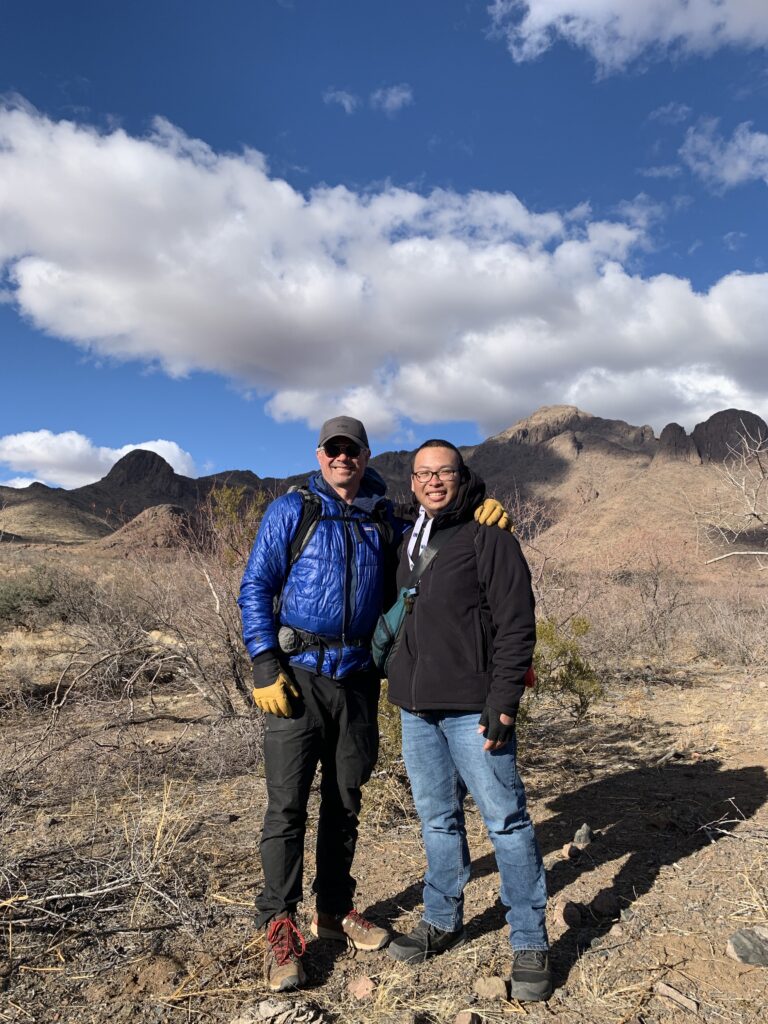
Last week, I had the opportunity to participate in FIELDGeo – an eight-day geology field trip to west Texas and southeast New Mexico. As a $1 million National Science Foundation (NSF) grant, students from University of Houston, Wharton College, and Kansas University visited:
- 🏞️ Elephant Butte Reservoir (New Mexico’s largest man-made lake created by Elephant Butte Dam on the Rio Grande River) to study sediments in this area.
- ⛰️ Rockhound State Park (a small mountain range in the Little Florida Mountains with various rocks and minerals) to study volcanic rocks, magma mixing, etc.
- 🕳️ Kilbourne Hole: a maar volcanic crater (a crater created by groundwater meeting with hot magma) with mantle rocks (xenoliths) that can only be found from tens to 200 kilometers deep in the Earth’s surface.
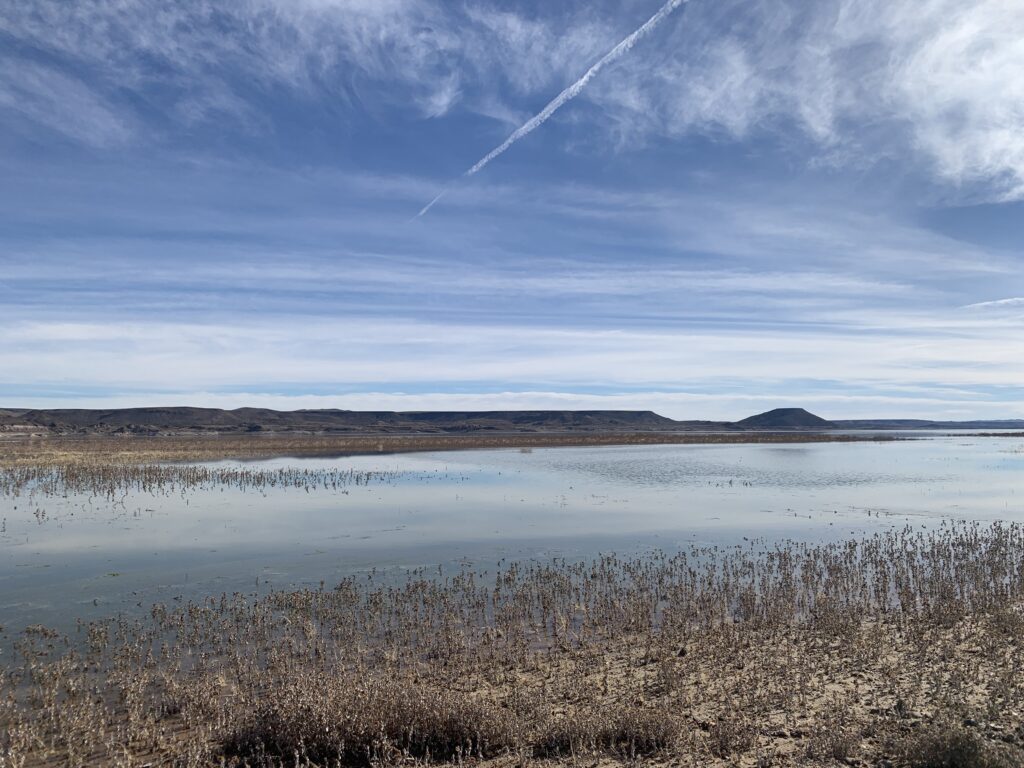
🏞️ Elephant Butte Reservoir (New Mexico’s largest man-made lake created by Elephant Butte Dam on the Rio Grande River) to study sediments in this area.
⛰️ Rockhound State Park (a small mountain range in the Little Florida Mountains with various rocks and minerals) to study volcanic rocks, magma mixing, etc.
🕳️ Kilbourne Hole: a maar volcanic crater (a crater created by groundwater meeting with hot magma) with mantle rocks (xenoliths) that can only be found from tens to 200 kilometers deep in the Earth’s surface.
As an aspiring teacher, my main focus was not on the rocks or minerals (my chemistry is not that strong anyway!). I was more focused on…the people. 👨👨
Surviving for eight days in below-freezing temperatures, sleeping in tents with sleeping bags and hand warmers, and having input and output in the wilderness (if you know what I mean, haha) really taught me about the career of geology. How can these geologists seem so passionate about looking at just mud and different rocks? Well, I have the answer.
🪨Paraphrased from Dr. Jinny Sisson: different geologists look at the same rock and have different observations. Some are interested in the shape around the rock. Some are interested in breaking the inside and looking at the crystals and structures inside. By studying these, we know where the rock comes from, the environment at the time the rock was formed, and what has happened to the rock over time.
This is so interesting for me to learn about how geologists think. As a teacher who may have potential students who are interested in geology one day, I know what this field is and can help to guide them and equip them with the right skills and mindset.
Of course, this trip is not possible without the wonderful friends who supported me throughout the trip. Shoutout to Lannie Thao, Trinh Trinh, Bach Le for everything, from setting up tents, surviving the freezing weather, and our mischievous plays at different terrains each day 😁. Thank you, Dr. Virginia (Jinny) Sisson, a very patient and understanding geologist who has helped to break down difficult geology jargon for us, and Dr. Bradley Smith, a fun and caring professor who has supported our group a lot with our Yang Chow fried rice recipe and meals. 👩🏻🍳
Wow, what a transformational week to start 2026! I can survive New Mexico, I am sure I can survive Houston’s winter next 😎